
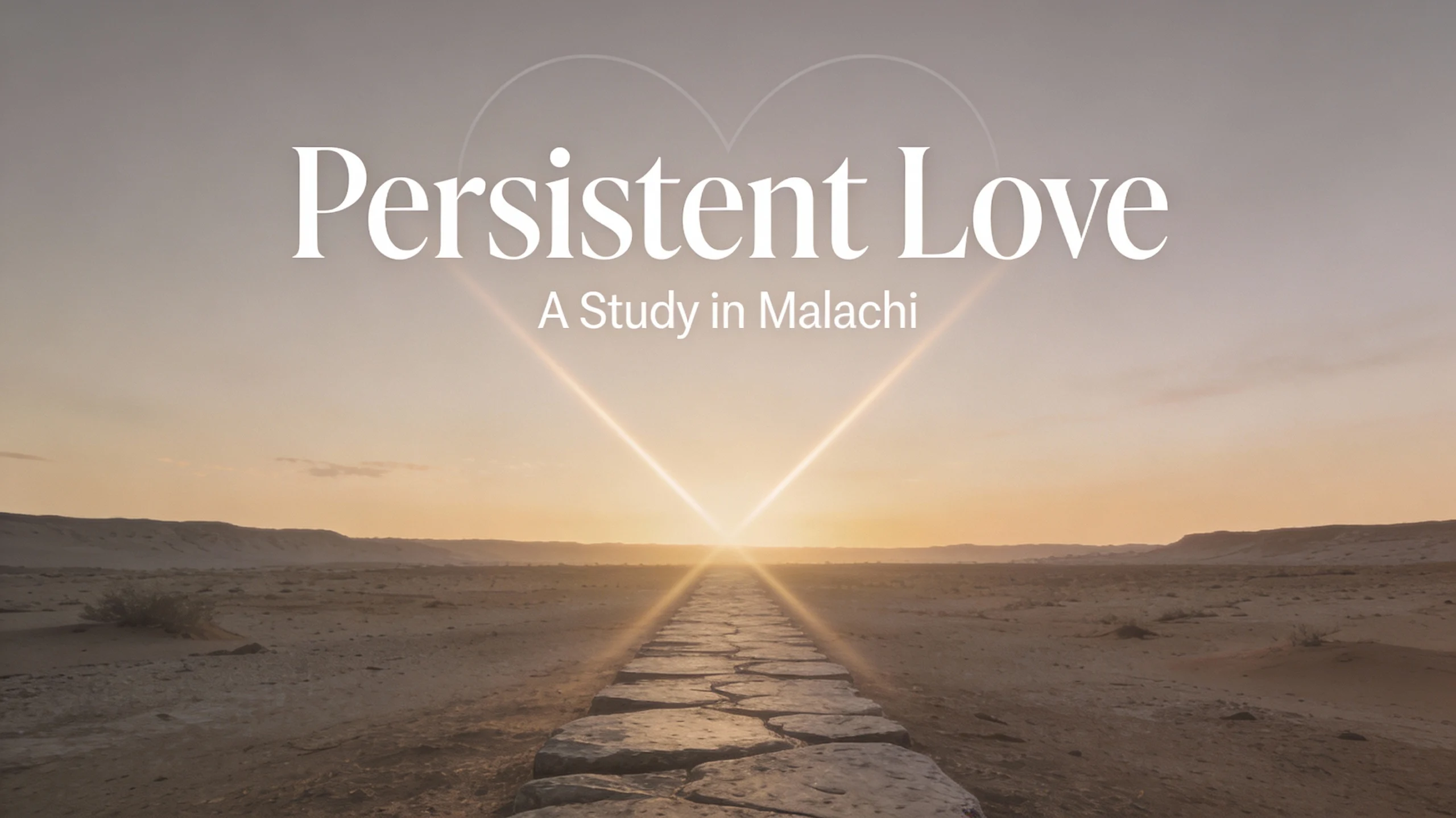
- In Malachi 1:6, God compares Himself to a father and a master and asks, “Where is my honor? Where is my fear?” What does it practically look like for us to treat God as Father and Lord in our weekly worship, not just in our beliefs?
- The priests argue, “How have we despised your name?” even while bringing blind, lame, and sick animals (1:6–8). What does this reveal about how easy it is to be blind to our own dishonoring worship, and what might “blemished sacrifices” look like in today’s church life?
- God says He wishes someone would “shut the doors” of the temple rather than keep offering vain sacrifices (1:10). Why do you think God would rather have no worship gathering than one full of fake or half‑hearted worship, and how does that challenge our view of church activity and busyness?
- In 1:11 God declares that His name will be great among the nations and that a pure offering will be given “in every place.” How does this global vision for God’s name contrast with Israel’s bored attitude (“What a weariness,” 1:13), and what might it expose about our own attitudes toward worship?
- God calls out the “cheat” who has a good animal in the flock yet sacrifices what is blemished (1:14). Where are we most tempted to “cheat” God—giving Him less than we know we could in time, attention, money, or service—and what keeps us from bringing our best?
- In 2:1–9, God reminds the priests of the covenant with Levi, where faithful priests walked in reverence, taught truth, and turned many from sin. How do spiritual leaders today help shape the worship culture of a church, and what kind of leadership helps people honor God rather than stumble?
- Malachi says the priests have “caused many to stumble” by their instruction (2:8). How have you seen teaching—good or bad—shape people’s view of God and worship, and how can we lovingly respond when leadership or teaching drifts from what honors God?
- Looking at this whole passage, what is one concrete change your group could make (as individuals or together) so that your worship—on Sundays and in daily life—better reflects God’s greatness rather than giving Him what is convenient or leftover?
分享此帖,選擇您的平台!
作者簡介: Grace Community Church